Partnership DNA: building long-term trust, one partnership at a time
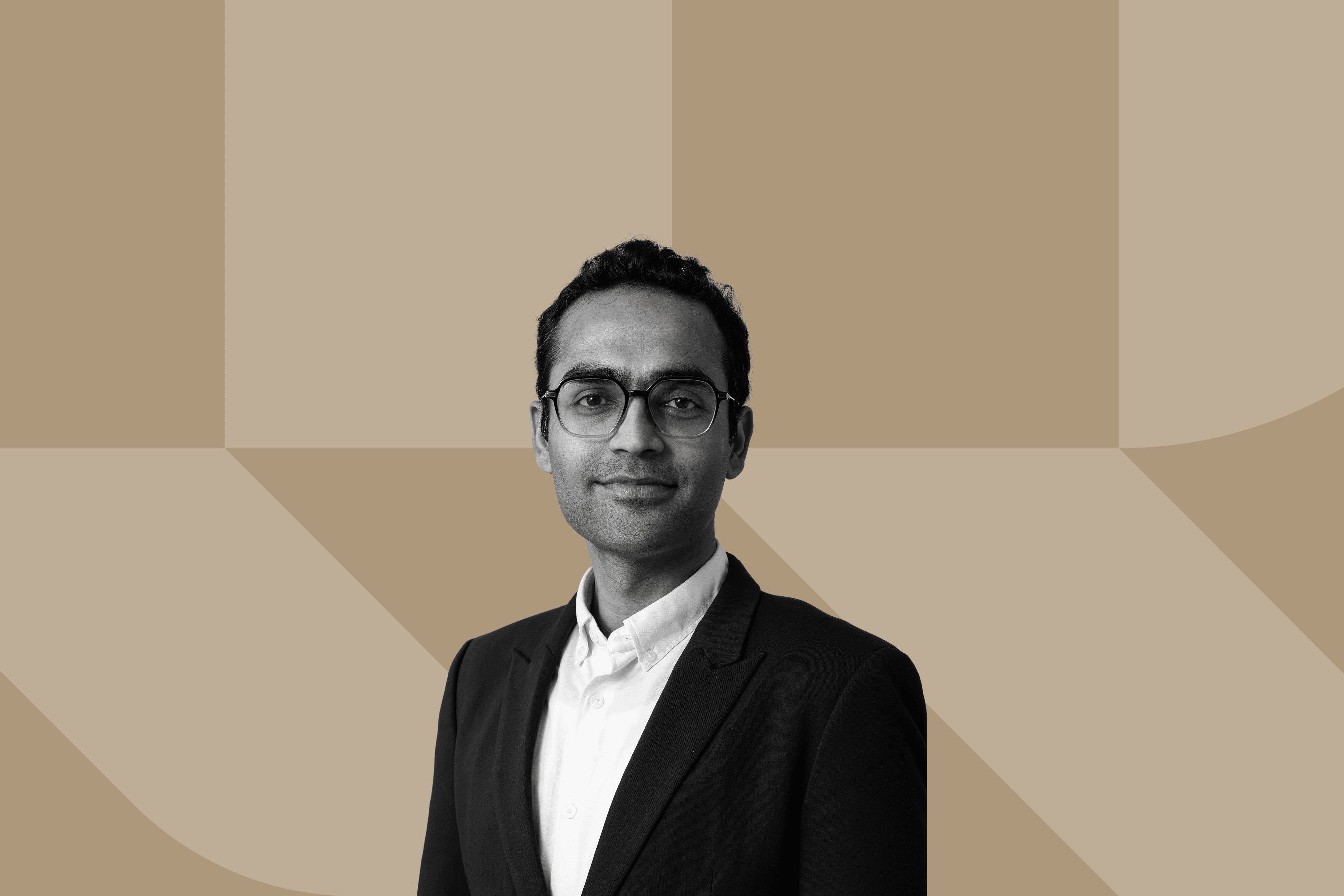
Ashish Dang, Partner at Metyis, shares what it really takes to build partnerships that last, why trust matters more than any commercial structure, and why the mindset behind Metyis' approach as Partners for Impact is difficult to replicate.
Business is full of frameworks for managing client relationships—governance models, contracts, delivery methodologies and operating structures. They all provide a foundation, but are not what create lasting partnerships.
At Metyis, partnerships may begin with structures like BOT (Build-Operate-Transfer), Joint Ventures, MSAs or SOWs, but those are simply mechanisms. The real differentiator is trust. "Trust is our biggest moat," says Ashish.
Unlike contracts, trust isn't negotiated. It's earned over time through consistent delivery and meaningful value creation. And while it takes years to build, it can disappear quickly. That's the asymmetry. Once that trust is established, the relationship changes. Clients begin involving you in decisions they wouldn't normally make with an external partner. That is the point where the partnership becomes truly strategic.
From consultant to co-creator
As trust deepens, the relationship naturally shifts away from a traditional client-consultant model. As Ashish states, " The conversation shifts from ‘You do this, and I'll pay you’ to ‘Let's create value together’."
Both sides become invested in the outcome rather than simply the delivery. They share ownership of the ambition, whether that's building new capabilities, scaling platforms, or improving operations. However, that doesn't mean every client relationship should look this way. Ashish notes, "I don't think every client is suited to this model, and we shouldn't force it."
Rather than pushing every engagement into a long-term partnership, Metyis prefers to let the relationship evolve naturally. A shorter project often provides the opportunity for both sides to understand how they work together before making a larger commitment. Ashish concludes that, "It's one powerful model—but it's not the only one in our toolkit."
The speedboat alongside the oil tanker
In an anecdote that Ashish shared from a conversation with a client, Metyis was called out as a speedboat to the oil tanker. This means that large enterprises have scale, resources, and momentum, but that often comes at the cost of speed. They don't necessarily lack ideas—they struggle to move quickly enough to test, adapt, and execute them at scale.
That's where Metyis fits in: bringing an outside perspective, challenging existing assumptions, and accelerating change without disrupting the core business.
Inside long-term partnerships, this typically happens through two complementary teams. Structural teams keep the engine running. They manage day-to-day operations, improve existing processes, and create operational efficiency. Alongside them, impact teams are assembled around specific business challenges. They bring specialist expertise, solve the problem, transfer the capability, and move on.
"It's really two speeds working together," Ashish explains. "We're strengthening the engine while adding performance boosters when they're needed."
Because Metyis works across industries and functions—from digital and analytics to supply chain and demand planning—it can bring proven ideas from elsewhere, helping clients avoid reinventing the wheel and dramatically shortening their learning curve.
AI raises the value of execution
Technology is changing what clients need from consulting. Ashish highlights that, "With AI, having strategy alone is becoming less valuable."
Ideas are easier to access than ever before. What remains still relatively difficult is execution—translating those ideas into operating models, technology platforms and new ways of working.
Many large organisations continue to struggle with the pace of technological change. Even the biggest consulting firms have strengthened their execution capabilities, but those capabilities often remain siloed and less agile.
Metyis sits in what Ashish describes as the ideal middle ground: "We're large enough to create meaningful impact, yet agile enough to move with speed." That balance allows the firm to scale when required without sacrificing flexibility.
A mindset that compounds
One of the clearest takeaways from the Metyis approach is that every partnership strengthens the next one. As Ashish explains, "The more partnerships we build, the more we learn, the stronger our operating model becomes and with the right nuances for each client."
Experience creates reusable playbooks, accelerates future implementations, and gives new clients confidence. Relationships with organisations such as HUGO BOSS, Adaptfy, AWWG, GIII and Nexent Bank have helped build that credibility.
Yet no partnership is identical, and Ashish notes that: "there is no Excel formula." Markets change. Priorities evolve. KPIs need to adapt. That's why governance matters—but only when it's supported by trust. "If you trust each other, you can change the KPIs when the situation changes."
Ultimately, that's what distinguishes long-term partnerships from transactional engagements. They have the flexibility to evolve because the relationship is built on confidence rather than contracts. For Ashish that is where the real value lies: "The ability to build relationships that become strong enough for true co-creation—that's the real achievement."
And while operating models can be copied, Ashish believes the underlying philosophy cannot: "You can't copy a mindset. It's not a formula—it's an experience. That's why it's so difficult to replicate."
Ashish Dang is a Partner based in Amsterdam.